Carl Rogers’s Rogerian therapy is a method that emphasizes empathy, reflective listening, and acceptance over interpreting behaviors or unconscious drives.

Curtis Foster’s EMOTION Centered Treatment (ECT) focuses on identifying, acknowledging, and affirming the primary emotion or emotions behind what the Sitter is saying without judgement.
No attempt to give advice (or add vice) to the Sitter is attempted.
Identifying, acknowledging, and then affirming the emotion or emotions that are behind what the Sitter is saying is the primary goal of Curtis Foster’s EMOTION Centered Treatment (ECT).
Identify, Acknowledge, Affirm (IAA)
• Identify: ascertain the Primary Emotion or Emotions the Sitter is feeling.
• Acknowledge: verbally recognize the Primary Emotion or Emotions the Sitter is feeling.
(”That must feel incredibly overwhelming.”)
• Affirm: verbally validate the emotion or emotions the Sitter is feeling without judgement; i.e, don’t judge or criticize but accept and reassure the thoughts and emotions the Sitter is thinking and feeling.
(”Anyone would feel overwhelmed in that situation.”)
Empathize and try to understand them from their point of view using the PLATINUM RULE and the shortest distance between two points: COMMON GROUND.
We cannot control the thoughts, feelings, and emotions that bombard us every second of every day.
We can only control how we respond or act – versus reacting to these thoughts, feelings, and emotions.
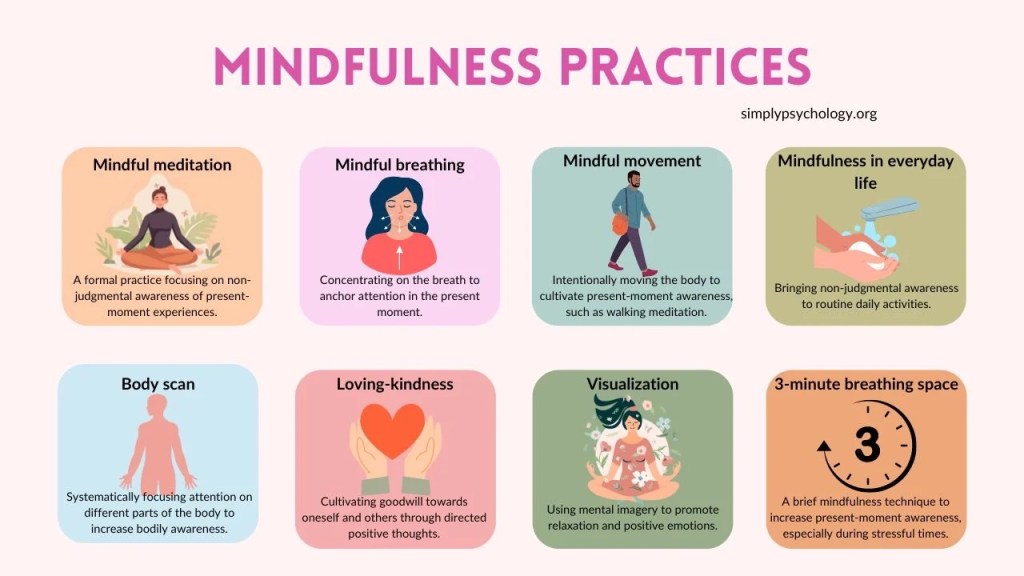
MINDFULNESS is a technique that involves being aware of your thoughts, feelings, and surroundings in the present moment without judgment.
Practicing Mindfulness helps widen the gap between stimulus and response giving the Mindful person more time to consider and ACT more mindfully, thoughtfully, and purposefully.

 Higher Power Readings